

The Fifth Gospel: An Enamoring.
A week ago today I pulled into my garage at 4:30am. I had just arrived home after a 16 hour return trip from El Salvador, where I had spent six full days with six high school students and three other adults.
One moment was especially memorable, and another deeply personal.
Memorable:
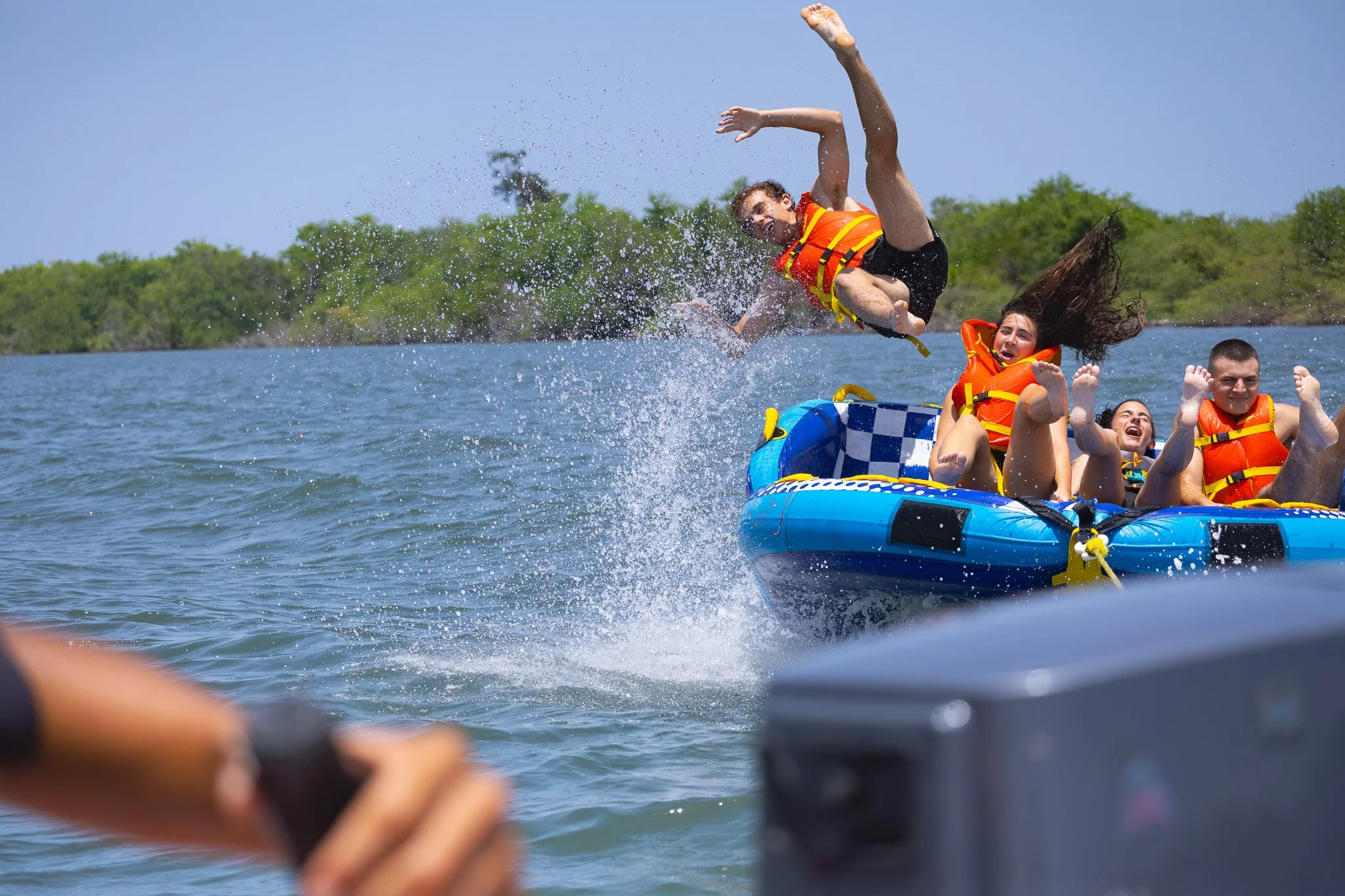
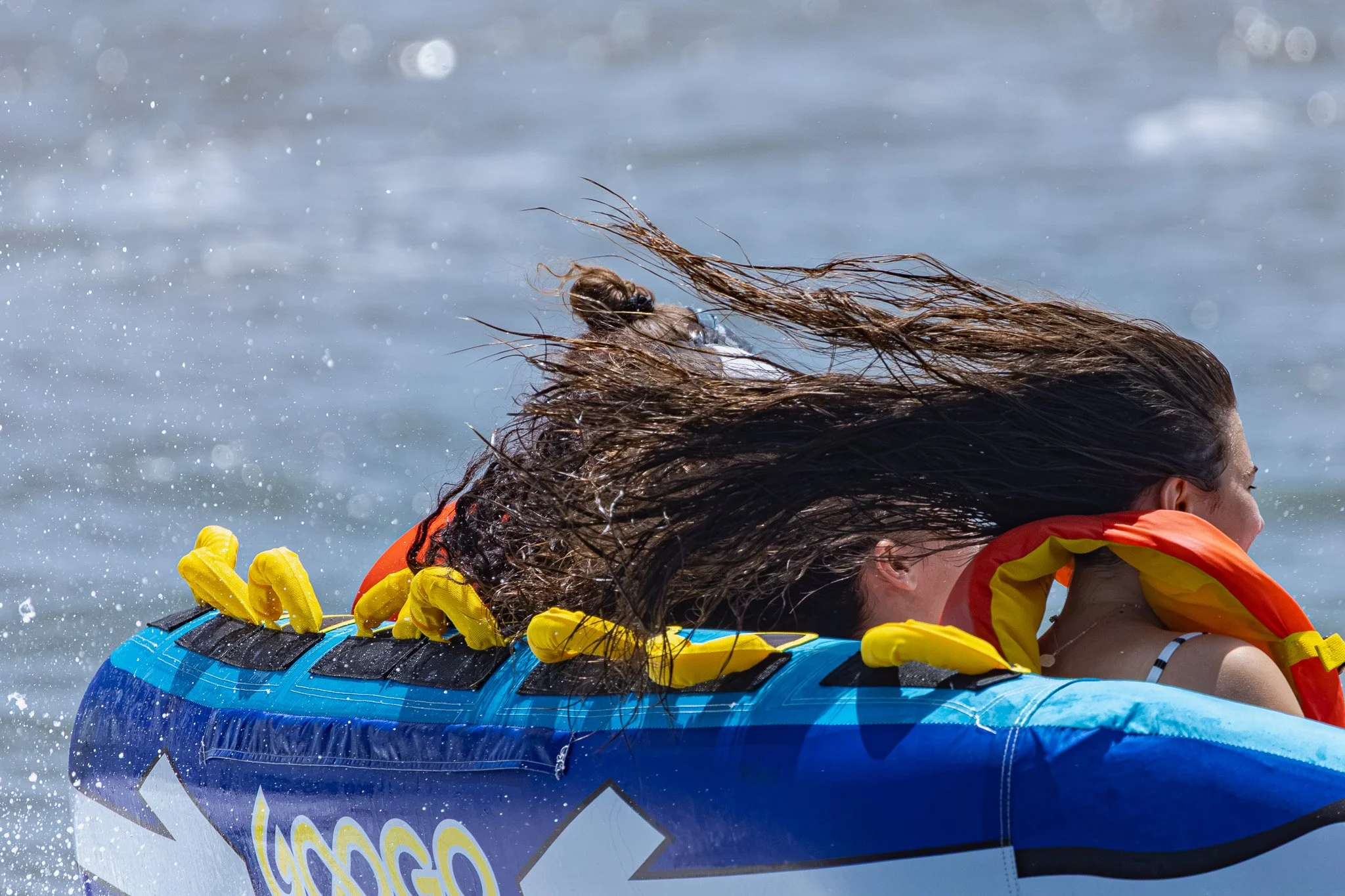
Our last day together was spent on the beach. For $5, one could enjoy a ride on an inflatable raft behind a boat. When I say “boat”, imagine a Lambergini engine installed in a Ford Tempo. It was a hunk-o-junk, but that baby was faster than my kids can say yes to ice cream. Four of our teens climbed aboard and made themselves comfortable on the raft. They looked nervous. Noticing my camera, the captain invited me to sit in the observers chair, which swiveled backwards for maximum viewing convenience. As I climbed into the chair, I noticed a seat belt. “I should probably wear that,” I thought to myself. As I reached to strap myself in, the boat lurched forward like a launched roller coaster. In a panic, I wrapped my left arm around the back of the observer’s chair and gripped my camera with my right hand. Putting my eye to the viewfinder was a lost cause. My only priority was not letting go… of that chair or of that camera. I aimed and clicked the best I could, but I mostly prayed for survival. One of the boys lost his grip and flew out of the raft not once, but thrice. It wasn’t until we were all safely back on shore when I discovered the true nature of our aggressive journey at sea: “I told him to try to throw me off the raft,” smiled one of the boys. Be still my heart.



Personal:
The week was spent in living proximity to chickens, lizards and wild dogs. The roosters would scream at each other every morning at 3. One of those crazy chickens ran across the top of our table while we were eating dinner. The first morning on the island, I noticed another quiet presence: butterflies. At first, they were always in the distance, fluttering around native island plants. I tried taking a picture, but they were too small, too fast and too herky-jerky to imprison on the camera’s sensor. I joked with the team that the butterflies were teasing me. “In three trips to this island, not once have I been able to take a picture of those darned butterflies.” As the week went by, the butterflies became more prominent in my view. I’m not sure if they were actually getting closer to me, or if I was simply paying closer attention. The whole team started pointing them out to me: “There’s one! And another! Oh and there!” Yea ne’re could I bottle one up. Slippery suckers. That’s probably why they’re called butter-flies. On the last day, after I got off the lambo-boat and kissed the sand, I took my camera to the edge of the water, where the estuary meets the Pacific ocean, and settled into the breeze. Sometimes, a moment for a deep breath is all I need to untangle my worries from my worth. I closed my eyes, sucked in a balloon’s worth of fresh ocean air and slowly released my anxieties to the wind. When my eyes opened, a small yellow butterfly was making its way across the mouth of the estuary. It was fluttering from across the water, directly to me. And then I noticed another one. A white one. Then a red one. Then a red one with white spots, then a purple one… A river of butterflies were riding the wind, right alongside my worries, one-by-one and two-by-two whispering just beyond my camera’s reach. At first I tried, but like a blind drunk man trying to find a light switch, my fingers couldn’t find the right focus settings. Overtaken by wonder, I felt a different whisper: “Dan, while you’ve been chasing butterflies, I’ve been chasing you.” I put the camera down, and filled up my cup. The next morning it got ridiculous. Not only were the butterflies getting closer, they were getting bigger. Big, colorful and fat. Landing. Motionless. Begging for their own documentaries. But the camera was already packed for the journey home.
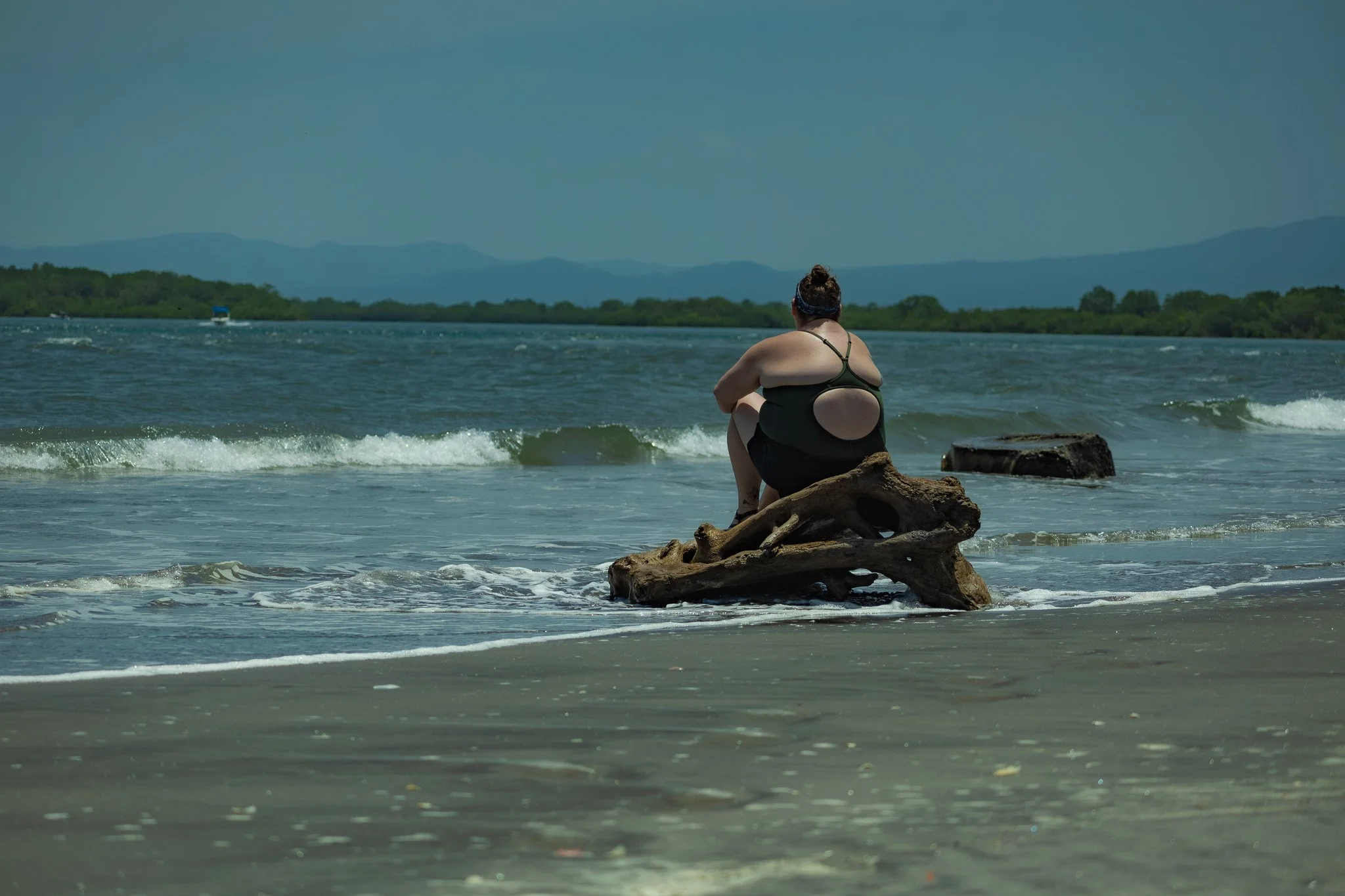
The Point Beach, where the Calzada estuary meets the Pacific.
The entire experience was rather transcendent. I was doing everything I love: discipling young people, taking pictures, enjoying fresh cuisine and breathing unfamiliar culture. The only thing missing was my family.
After a week of reliving the adventure through photographs and recorded video, I noticed a patient drift in my spiritual routine: I was no longer reading my Bible.
Now before you scoff and shake your finger of shame, let me explain why I’m not worried about it.
Do I believe that the Bible is God-breathed and inspired? Yes. All 66 books tell a story of cosmic redemption. Its writings have inspired me, angered me, confused me, guided me and filled me. But there is one verse that demonstrates how difficult its attempt to capture the full wonders of God:
John 21:25: “Jesus did many other things as well. If every one of them were written down, I suppose that even the whole world would not have room for the books that would be written.”
Seems to me that we’ve missed a lot of the story.
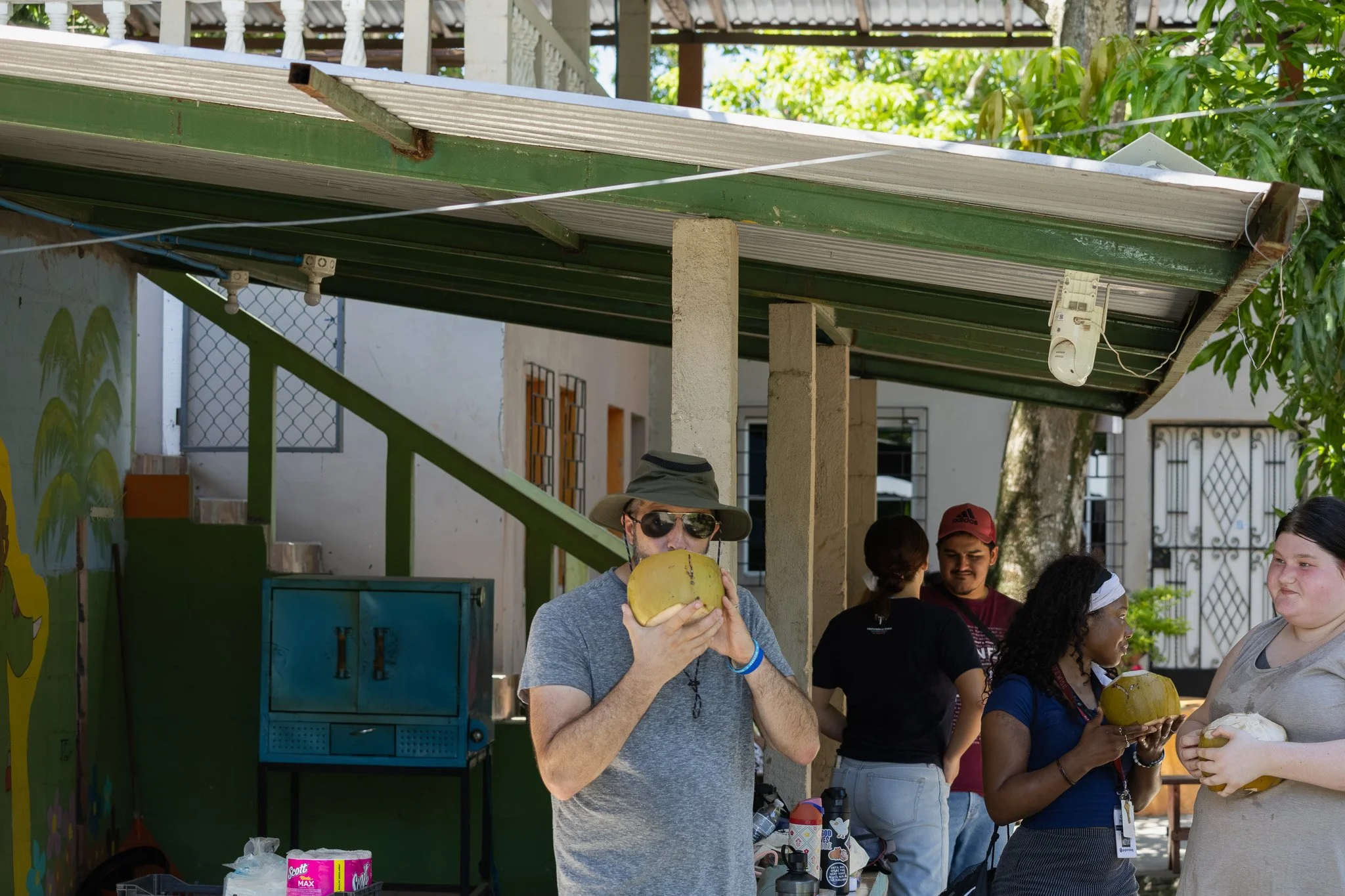
Me drinking coconut juice.
In John 5:39-40, Jesus tells religious leaders that they diligently search the Scriptures because they think the texts contain life, yet they refuse to come to him—the One to whom those Scriptures point.
In the very least, it’s helpful to understand the Bible as a map and not the destination. The written word (Bible) points to the living word (Jesus). When the Bible becomes the destination, we miss the magnitude of the messiah and those 66 books become an idol. When we simply live by the famous mantra, “because the Bible says,” we read the Bible in vain. Anything that puts limits on God is a diminishing of God’s power.
The Bible trains my eyes to recognize Jesus, but it is not Jesus. Like my camera, it helps me see, remember and share. But the instrument should never become more important than the living presence it was meant to reveal.
The Fifth Gospel
When I visited Christians living in Palestine, they spoke of “the Fifth Gospel,” a posture of reading the land and its people through the life of Jesus.With one voice they lamented the seminary groups who visit Bethlehem, only to hit the holy sites and tourist traps before bussing back to Jerusalem. “They come to see where Jesus walked, but fail to see where Jesus is walking today, which is among his people. We are the living stones.” Living the Fifth Gospel means sitting with the oppressed and hearing their stories. It means asking questions and sharing food. More and more, I’ve come to understand that living the Fifth Gospel means using all of your sensory inputs as tools of observation. It can apply to any land and all people. It’s really a posture of humility, curiosity and perspective. It’s training yourself to experience the world as though your own body were God’s. What would you notice through God’s eyes? Whose pain would you feel in God’s body? Where would you walk with God’s feet? What would you give through God’s hands? We are, after all, the body of Christ. We have the mind of Christ. Perhaps the question is not why God allows hungry children to starve, but why we do.
I’ve always been an experiential learner. I was an average student until someone put a camera in my hands. I think that’s why I’m so enamored with the Fifth Gospel. If you’ve discovered the treasure, do you still need the map? Finding the treasure doesn’t make the map worthless. It finally reveals what the map was for. I now have enough curiosity to last me a hundred life times. Every place I travel, I understand God in a new way. I have such little time to waste.
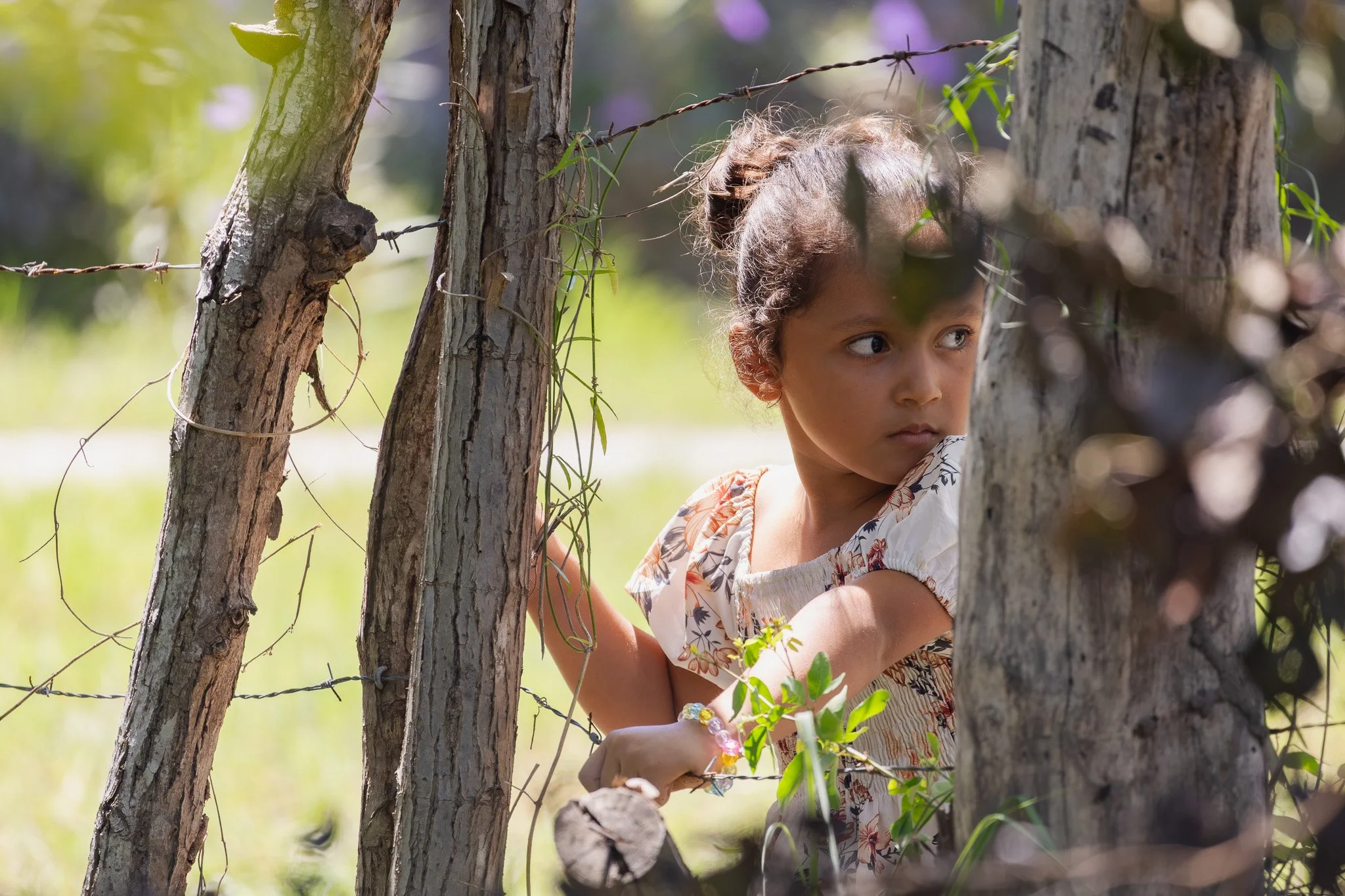
The Bible grounds me in the person of Jesus, who made it real simple for anyone who’s paying attention: “Love the Lord with all your heart, mind, soul and strength… and love your neighbor as yourself.”
Deeper understanding of those words can be found in the original Hebrew. In my own summary, by love he means sacrifice. By heart he means passion. By mind he means perspective. By soul he means identity. By strength he means capacity. By neighbor he includes your enemy (Luke 10:25-37).
So let me rephrase:
“Give yourself to the Lord with every squeeze of your passion, the fullness of what you can see, the rich depth of who you actually are and the focus of your absolute exertion. Oh, and also, in whatever way you give to yourself, give yourself to your enemy.”
“Love your neighbor” sounds simple until you encounter abuse, war, poverty, boundaries, sexuality, power, punishment or injustice. What does love require then? Scripture can remain a conversation partner, memory, corrective and communal witness without becoming a rulebook or mandatory daily ritual.
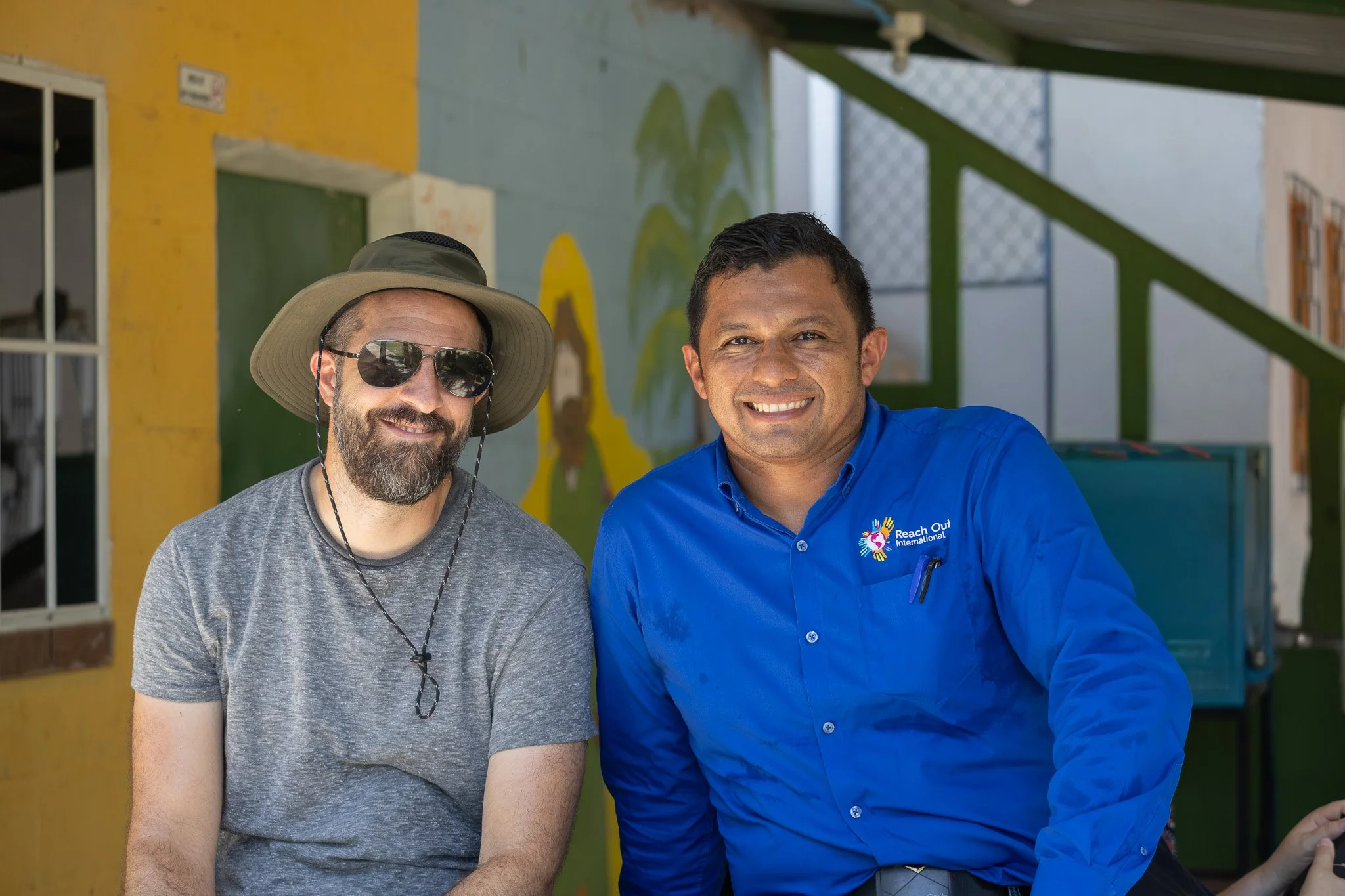
The Bible is an inspired, but finite witness to God, and the fullness of God cannot be contained within its pages. Its purpose is to lead us to Jesus and form us into people who love. Once we understand that destination, spiritual faithfulness cannot be measured by how frequently we reread the map. It must be measured by whether we actually walk the way. A doctrine of Scripture that does not produce humility, mercy, courage and sacrificial love has failed to accomplish Scripture’s own purpose. The invitation is not to put the Bible down. It is to pick up the life it points toward. I implore us all to, “get up, take up your mat, and walk.” John 5:8